


Spain’s digital habits and constant flow of visitors make 2026 a strong year for anyone looking to earn extra income without building a full-time business. Coastal areas like Benidorm, Alicante and Altea follow predictable tourist cycles that create steady demand for small services, while larger cities offer a more stable, year-round market for digital work. What follows is a practical look at the most realistic side hustles in Spain right now, from passive income ideas to hands-on service work that fits around a regular job.
Building a car rental business through a franchise partner model
One of the fastest-growing ways to generate income in Spain is becoming a partner in a car rental franchise model. Instead of sharing a privately used vehicle, you purchase cars specifically for rental purposes and operate them under an established franchise brand. The franchise partner provides the full commercial framework, including brand recognition, booking systems, pricing logic, insurance coverage, customer support, and payment handling. Your role is focused on owning the vehicles and managing their local availability rather than dealing with customers directly.
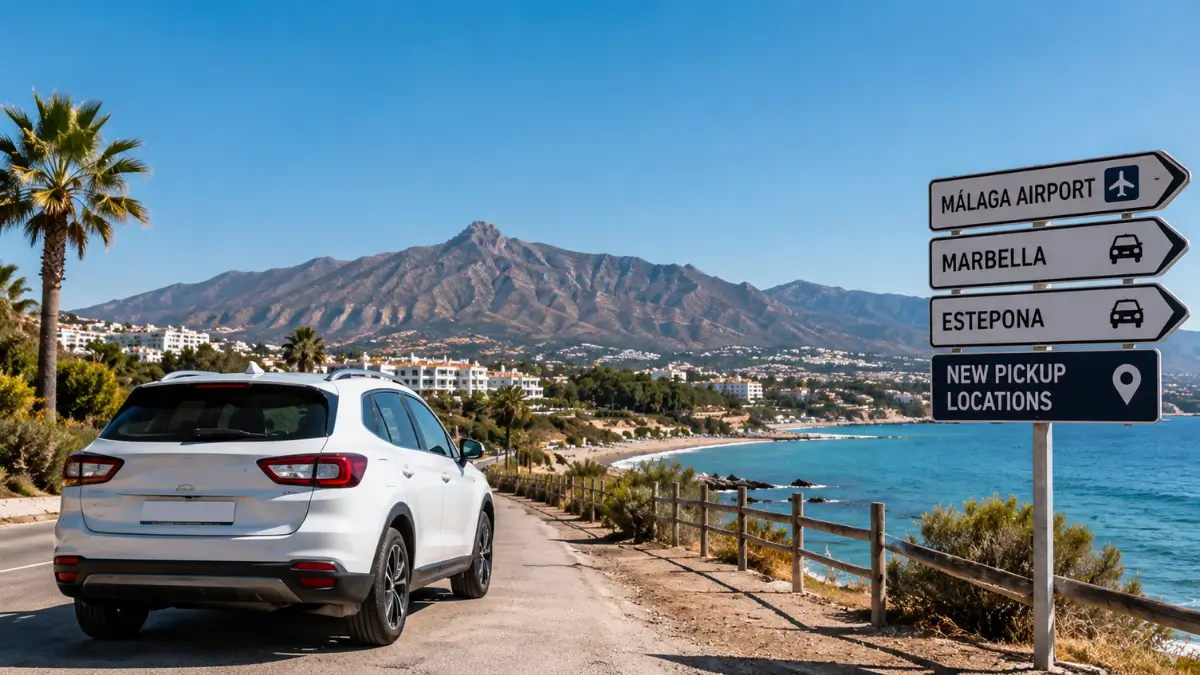
A major advantage of this setup is access to predefined pickup and return points. The franchise partner typically provides or helps secure suitable access locations such as airports, tourist areas, city centers, or hotels where customers collect and return vehicles. This significantly increases booking reliability and reduces the operational hurdles of finding and managing locations independently. Demand is strongest in Cities such as Madrid, Barcelona, Benidorm, Alicante, Valencia and popular coastal regions, with peak season running from May to October when visitor numbers rise sharply.
Income potential depends on fleet size, vehicle type, and utilization rate rather than occasional availability. Compact and family-sized vehicles tend to perform best due to consistent demand and lower operating costs, while luxury vehicles are booked less frequently. Franchise partners usually retain a commission to cover insurance, marketing, technology, and customer acquisition, while owners benefit from a proven business model and centralized operations. Well-located vehicles can generate stable monthly returns, especially in high-traffic tourist zones.
As the fleet owner, you are responsible for keeping the vehicles clean, serviced, and fully roadworthy at all times. Day-to-day customer handling, bookings, payments, and claims are managed by the franchise partner, allowing you to focus on operational quality and scaling your fleet.
Digital side hustles for bilingual workers and remote-friendly professionals

Offline side hustles thrive in tourism-heavy regions and larger cities
Equipment rentals are another simple option. Renting out scooters, bikes, snorkel sets, beach umbrellas or paddleboards works particularly well in coastal towns. Startup costs are low compared to vehicle-based businesses. Operators just need secure storage, liability coverage and clear rental terms.
Popular side hustles in Spain: income potential, locations, and requirements
Many side hustles in Spain vary widely in terms of income potential, location dependency, and entry requirements. Some models work almost entirely remotely, while others depend heavily on tourism, urban density, or access to physical assets. Understanding these differences helps set realistic expectations and choose an option that fits both lifestyle and capital availability.
Car rental franchise partnerships typically generate between 800 and 2,000 euros or more per vehicle per month and perform best in high-demand urban areas, airports, and tourist regions. Instead of registering a personal car on a platform, the main requirements are purchasing vehicles specifically for rental use, onboarding with a franchise partner, and meeting insurance and fleet standards. Income depends on vehicle category, location quality, seasonal demand, and overall fleet utilization rather than occasional availability.
Social media management is a location-independent side hustle with estimated monthly earnings of around 200 to 600 euros per client. It can be done remotely and mainly requires bilingual communication skills, content creation know-how, and a solid understanding of social platforms. This model scales well when managing multiple clients.
Translation work offers a broader income range, usually between 300 and 1,000 euros per month, depending on language specialization and workload. It is fully remote and best suited for those with professional-level language skills in high-demand language pairs or specialized fields such as legal or technical translation.
Delivery driving can bring in roughly 400 to 900 euros per month, particularly in densely populated urban areas. The requirements are relatively low, typically a car or scooter and an approved platform account. Earnings are closely tied to hours worked and local demand.
Airport transfer services tend to generate higher returns, often between 500 and 1,200 euros per month, especially in coastal regions and airport zones with strong tourist traffic. This option usually requires a larger vehicle and the appropriate transport licence, making it more regulated but also more stable in high season.
Guided experiences such as walking tours or local activities usually earn between 300 and 700 euros per month. These work best in tourist hotspots and rely on strong local knowledge and visibility through booking platforms. Income is often seasonal and influenced by reviews and demand.
Equipment rentals, for example beach or sports equipment, typically produce around 200 to 600 euros per month. Coastal zones are the most suitable locations, and the main requirements include owning the equipment, having storage space, and adequate insurance. This model is highly seasonal but can be profitable during peak months.
Self-employed status is required for structured or ongoing income
Foreigners can legally run side hustles in Spain as long as they follow tax and registration rules. EU citizens can register directly while non-EU residents may need work authorization depending on their visa type.
Bilingual ability boosts earning potential in tourism regions
Seasonal hospitality roles often pay better for bilingual workers, especially in reception, customer service and event coordination. Social media creators and influencers who post in both languages attract larger audiences and more brands, though growth requires consistent and high-quality content.
Seasonal patterns influence planning and income stability
Tracking booking trends and using pre-booking platforms allows operators to plan ahead. People who mix delivery work in winter with equipment rentals or guided experiences in summer maintain steadier annual income.
Why Spain remains a strong market for side hustles in 2026
Spain’s digital infrastructure, strong tourism numbers, and clear rules around self-employment create fertile ground for earning extra income. Car rental franchise models, remote work, and asset-based micro-businesses all benefit from the country’s comfort with app-based bookings, centralized reservation systems, and digital payments. Tourism continues to drive demand for flexible mobility solutions and short-term services that traditional, fully owned rental operators often cannot scale efficiently on their own.