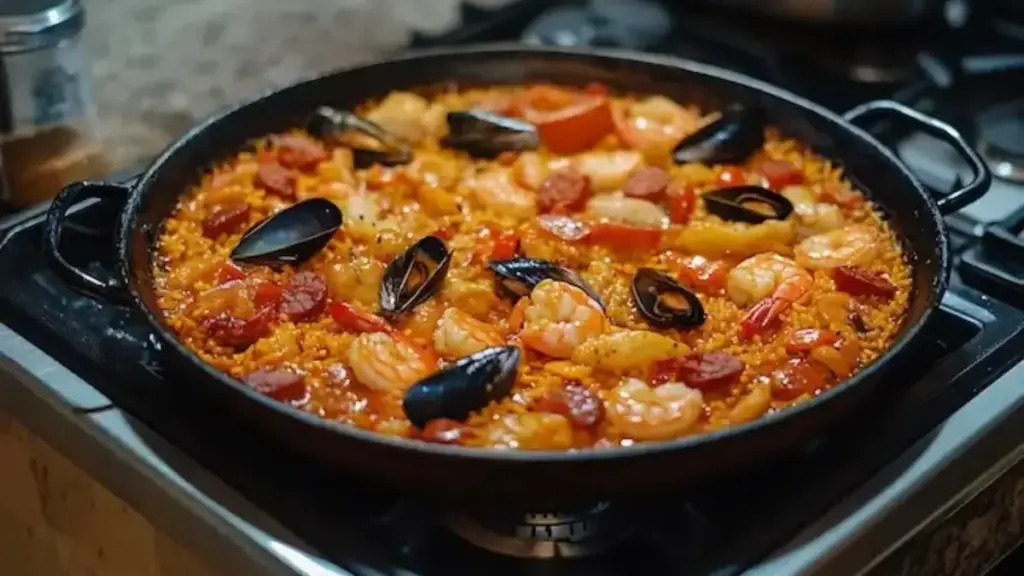
Traditional Spanish arroz a banda with seafood, mussels, prawns and rice served in a paella-style pan.

Best Places to Eat in Benidorm in 2026: Local Favourites, Tapas Bars & Beachfront Dining

Publication: 26. November 2025

Benidorm has moved well beyond its buffet reputation. The city’s dining scene splits into three distinct zones, each with its own character and price point. The Old Town clusters traditional tapas bars along narrow streets, the Levante seafront offers terrace dining with beach views, and Poniente specialises in rice dishes and seafood houses that have served locals for decades. Understanding where to go and when to visit makes the difference between a forgettable meal and an evening that justifies the journey. And because sorting through endless options can feel like its own full-time job, we’ve spent days eating our way across all three districts so you can skip the guesswork. Here are the restaurants that truly stand out.


Where to eat in Benidorm?

The Old Town remains the most walkable area for an evening of tapas. Calle Santo Domingo and the surrounding streets near Plaza de la Constitución form what locals call Tapas Alley. Here, small bars operate side by side, many with no seating beyond a few stools at the counter. The approach is simple: order one or two tapas per bar, then move to the next. La Cava Aragonesa anchors this area as one of the longest-running tapas houses, serving daily set menus between 10€ and 15€ alongside à la carte options that typically land between 25€ and 35€ per person. The kitchen stays open until around 1:00 AM in the morning, which allows for a late dinner after an evening walk.

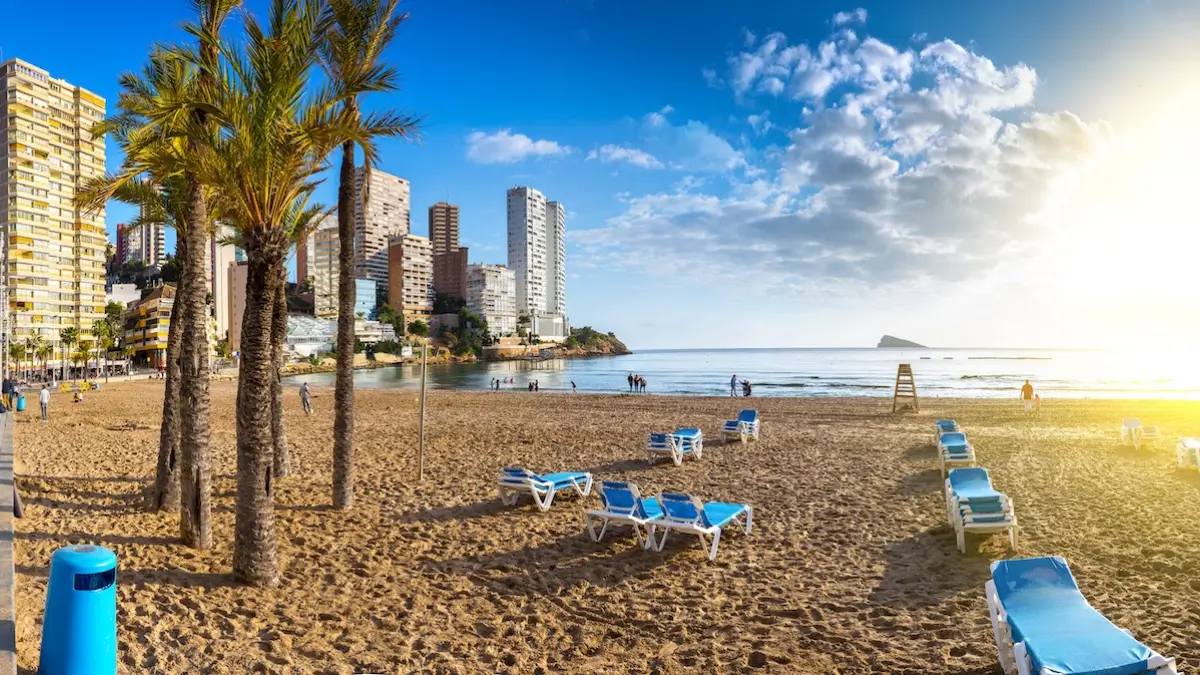
Levante promenade runs the length of the main beach and caters primarily to the tourist trade. Restaurants here focus on terrace seating and predictable menus. Prices rise noticeably compared to the Old Town, but the setting compensates for those planning a meal with a direct beach view. This stretch works best for lunch or an early dinner before the evening crowd arrives.

Poniente offers a calmer alternative on the western side of the city. This area holds several established seafood and rice restaurants, many operating for forty years or more. Restaurante Ulia exemplifies the Poniente style, built on classic Mediterranean dishes and rice preparations that follow seasonal availability. Booking ahead becomes necessary on weekends and during the city’s food events, when these restaurants fill quickly with both visitors and Spanish families from surrounding towns. For travellers who plan their days around great food from morning to night, Benidorm’s breakfast scene deserves its own spotlight. If you’re looking for standout early-morning options before diving into the city’s tapas, seafood and sunset dinners, our dedicated guide to the best breakfast in Benidorm breaks down the top spots to start your day. 


What to order and when?
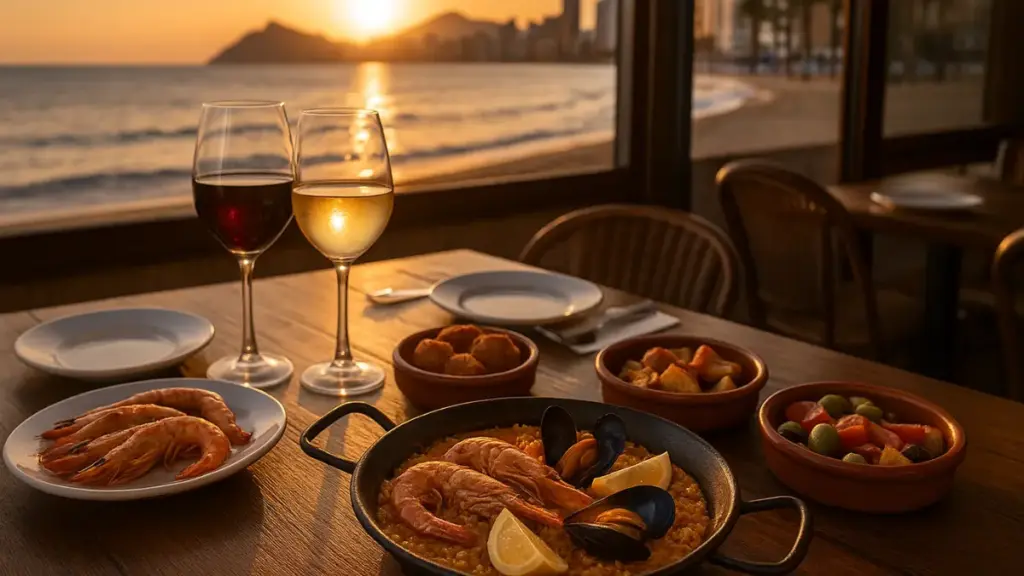
Rice dishes define Poniente dining. Arroz a banda, paella, and fideuà appear on most menus, prepared in large pans and served directly to the table. These dishes require at least thirty minutes of cooking time after ordering, which means patience is built into the meal. Restaurants that specialise in rice often refuse to serve it for dinner, restricting orders to lunch service when kitchen capacity allows proper preparation. This detail matters when planning your day.

Tapas in the Old Town follow no such restrictions. The format allows for flexibility: pinchos can be eaten standing at the bar, whilst larger tapas warrant a table if available. During the annual Tapas and Pinchos competition, participating venues standardise pricing at 3.50€ per tapa. Outside these events, prices vary by establishment, though the informal atmosphere remains consistent. The distinction between tapas and pinchos matters little in practice. Both terms describe small plates designed for sharing and grazing across multiple stops.


Traditional Spanish arroz a banda with seafood, mussels, prawns and rice served in a paella-style pan.


What does it cost to eat in a restaurant in Benidorm?

Menu prices in Spain include VAT by law. Restaurants apply a reduced rate of 10 per cent, which appears nowhere on the bill because it is already incorporated into the listed price. This removes the guesswork common in other countries where taxes add up at payment.

Tipping operates on an entirely optional basis. Service charges do not appear on bills, and staff do not expect tips as part of their income. Rounding up a bill or leaving small change after particularly good service remains common, but amounts rarely exceed five to ten per cent even in higher-end establishments. The phrase “servicio incluido” on a menu confirms that no tip is expected.

Allergen information must be provided under EU regulation 1169/2011, which Spain enforces through Royal Decree 126/2015. Every restaurant keeps written documentation of allergens present in menu items. Asking the server for this list is standard practice and causes no inconvenience. Gluten-free options appear with increasing frequency, particularly in Old Town venues that have adapted to international visitors.


Benidorm food events and calendar planning

The city organises Benidorm Gastronómico, a series of food-focused weeks spread across the calendar. Five events ran in 2025: Stew Days, Tuna Days, Tapas and Pinchos, Cocktails, and Rice Days. Each event involves between twenty and thirty participating restaurants offering fixed-price menus designed to showcase specific ingredients or preparations.

Rice Days ran from 17 to 26 October in 2025, with 24 establishments offering set menus from 25 euros. These menus typically include a starter, rice dish, and dessert. The Tapas and Pinchos event drew 23 venues and introduced the standardised 3.50€ pricing. Winners included Malaspina for the jury prize and La Taberna Andaluza for the public vote.

The 2026 calendar will likely mirror this structure. Checking the official Benidorm Gastronómico listings before your visit allows you to time your stay with events that match your interests. These weeks offer value through fixed pricing and the opportunity to sample restaurants that might otherwise sit outside your budget.


Building a meal plan

A practical approach divides your eating across the city’s three zones rather than committing to a single area. Start with an Old Town tapas evening to understand the bar-hopping rhythm and sample variety without the commitment of a full meal. Follow this with a Poniente rice lunch, ideally on a weekday when reservations are easier to secure and restaurants operate at a calmer pace. If your schedule includes a Levante meal, lunch offers better value than dinner, and the midday light improves the beach views that justify the premium.

The TRAM system connects Benidorm to nearby Altea and Denia, both worth considering for day trips that include lunch. Altea’s old quarter holds several seafood restaurants with harbour views, whilst Denia has built a reputation around rice dishes that rival anything available in Benidorm itself.

For travellers who prefer more flexibility than fixed train timetables, Rentiago adds an extra layer of convenience, offering short-term car access for quick coastal hops, scenic detours and restaurant visits in spots the TRAM doesn’t directly reach.


Recent food coverage has begun highlighting modern Spanish cuisine emerging in the Old Town. La Fava received attention in The Guardian’s June 2025 feature on Benidorm’s evolving gastronomy, signalling a shift toward contemporary interpretations alongside traditional offerings. These newer establishments often require bookings several days in advance, particularly during summer months and local holidays.

The practical reality of eating well in Benidorm requires no special insider knowledge. The city’s layout separates dining styles geographically, which simplifies decision-making. Matching your timing to the food calendar adds value through event menus and special pricing. Beyond that, the approach remains straightforward: tapas in the Old Town, rice on the Poniente seafront, and awareness that menu prices already include everything except an optional gesture of appreciation for good service.

Picture of Laura

Laura

Laura loves travelling, especially to warm regions of Europe. She has been living in Spain with her husband for 5 years and, in addition to writing, enjoys spending time in cafes.

Related articles